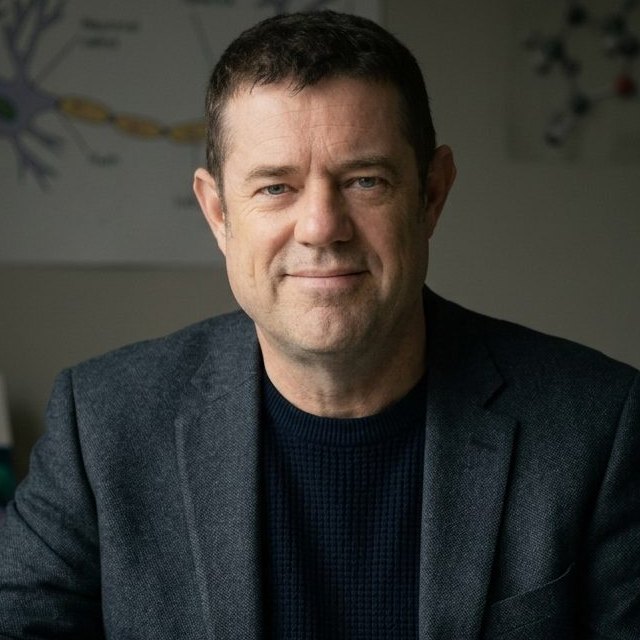
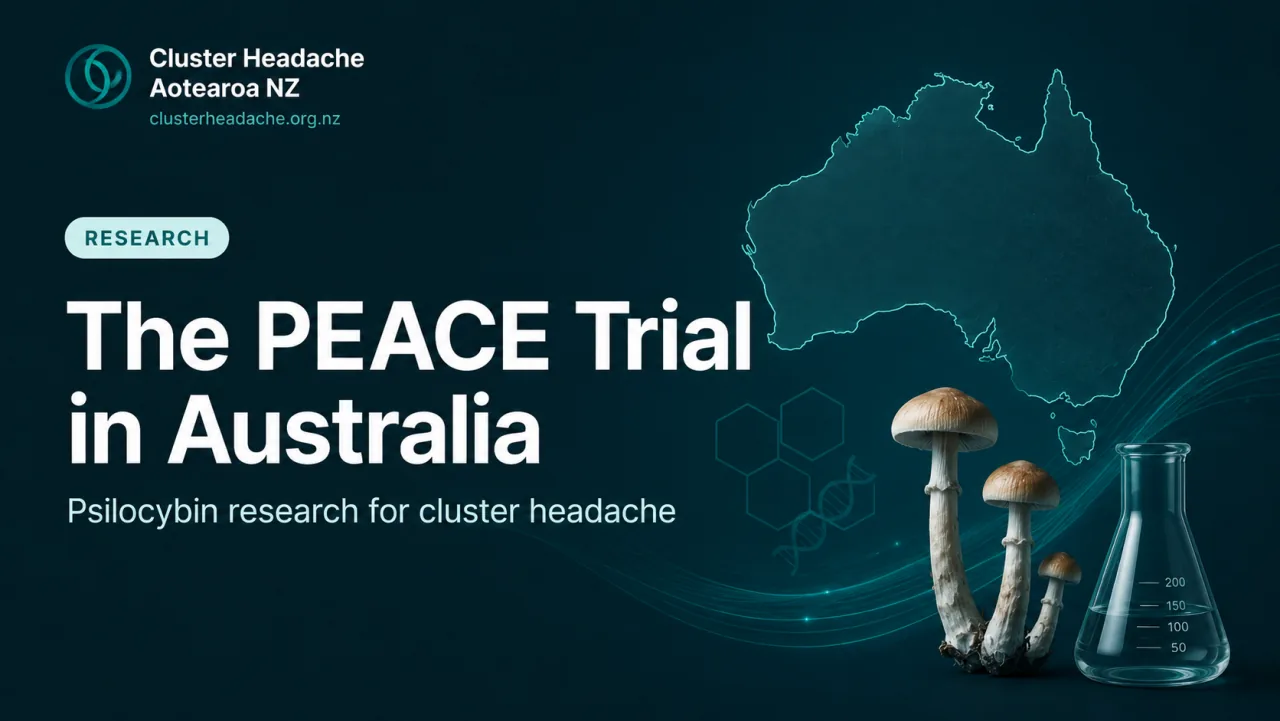
The PEACE trial stands for Psilocybin Efficacy and Acceptability on Cluster Headache Episodes. It is a pilot trial in Australia led by Dr Faraidoon Haghdoost, a headache researcher connected with The George Institute for Global Health and UNSW Sydney.
According to The George Institute, the study is designed to compare 10 mg of psilocybin once a week for four weeks with placebo, and to assess whether this approach can help prevent cluster headache attacks. For a condition with few new approved treatments in recent decades, even a small pilot trial is important.
Watch the interview with Dr Faraidoon Haghdoost on YouTube.
Why patients are paying attention
Patient communities have discussed psilocybin and related compounds for more than 25 years. Many people report meaningful benefit. Some describe the effect as dramatic or life-changing. Those experiences deserve to be taken seriously, while still being clear that patient reports are not the same thing as a completed clinical trial.
The value of a trial like PEACE is that it can ask focused questions under research conditions. Does the treatment signal hold up against placebo? Is it acceptable to patients? What should future studies measure? What risks need to be understood?
What this does not mean
This article is not a recommendation to use psilocybin. In New Zealand, psilocybin is a Class A controlled drug, and its supply and use are restricted outside approved medical or research settings. People considering any treatment path should talk with their GP or specialist, especially if they have mental health concerns, use other medicines, or are unsure about legal risk.
Why CHNZ is covering it
Cluster Headache Aotearoa NZ exists to help patients, supporters and clinicians understand the landscape. The PEACE trial is part of that landscape because it is focused on cluster headache, it is happening close to New Zealand, and it reflects years of patient-led calls for serious research.